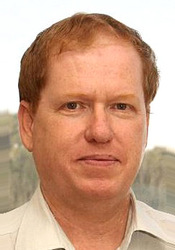
 Prof. Eli Biham received his B.Sc. in Mathematics and Computer Science
at the Tel Aviv University (cum laude), 1982, and his Ph.D. from the
Weizmann Institute, 1991. His Ph.D. thesis developed Differential
Cryptanalysis, the first cryptanalysis method that could break the
Data Encryption standard (DES), and the first general cryptanalysis
method that was applicable to a large family of block ciphers. Since
1991 he is a faculty member at the Technion's faculty of Computer
Science. He (together with his students and colleagues) developed
various methods for analysis of various kinds of ciphers. The most
known of them are DES, and the cipher of the GSM cellular phone system
(A5) - which proved that it is easy to listen in to any GSM (voice or
data) conversation, and even to fake such calls as if originated from
somebody else's phone. He also developed new ciphers, the most known
of them is Serpent, which was a leading candidate to become the
Advanced Encryption Standard (AES) - the successor of DES. Eli Biham
is the founding head of the Technion Hiroshi Fujiwara cyber security
research center. He served in dozens of program committees, as
the program and general chair of the FSE 1997 workshop, and as program
chair of EUROCRYPT 2003 and SAC 2006. He was also an editor of the
journal of cryptology and a director in the International Association
for Cryptologic Research (IACR). Between 2008 and 2013 he served as
the dean of the faculty of computer science. Since 2012 he is an IACR
fellow. He received the RSA award 2012, and holds the position of
IACR distinguished lecturer 2013.
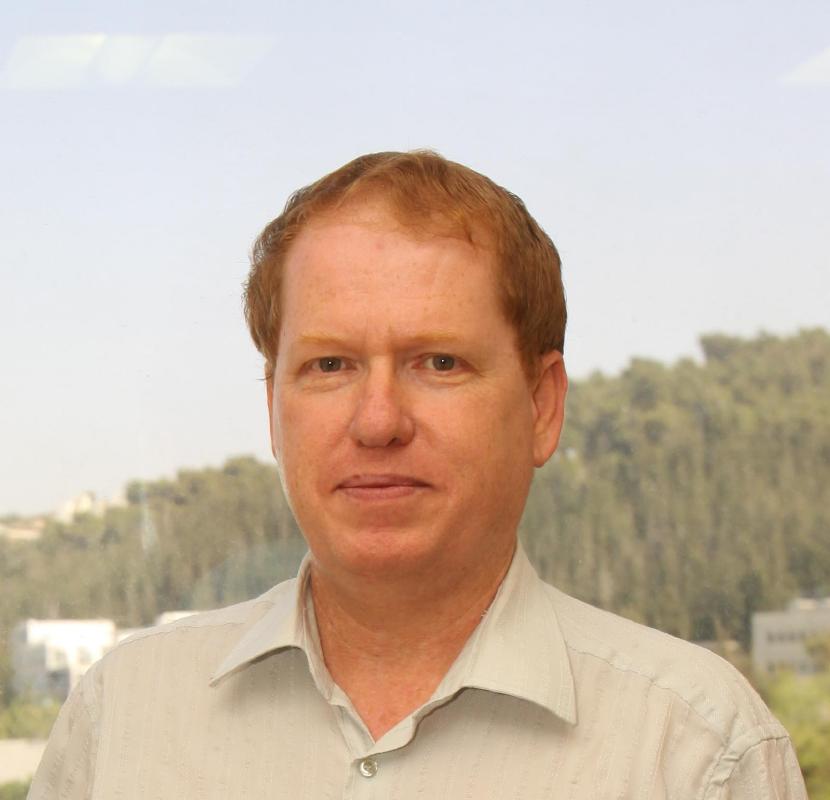
Prof. Eli Biham received his B.Sc. in Mathematics and Computer Science
at the Tel Aviv University (cum laude), 1982, and his Ph.D. from the
Weizmann Institute, 1991. His Ph.D. thesis developed Differential
Cryptanalysis, the first cryptanalysis method that could break the
Data Encryption standard (DES), and the first general cryptanalysis
method that was applicable to a large family of block ciphers. Since
1991 he is a faculty member at the Technion's faculty of Computer
Science. He (together with his students and colleagues) developed
various methods for analysis of various kinds of ciphers. The most
known of them are DES, and the cipher of the GSM cellular phone system
(A5) - which proved that it is easy to listen in to any GSM (voice or
data) conversation, and even to fake such calls as if originated from
somebody else's phone. He also developed new ciphers, the most known
of them is Serpent, which was a leading candidate to become the
Advanced Encryption Standard (AES) - the successor of DES. Eli Biham
is the founding head of the Technion Hiroshi Fujiwara cyber security
research center. He served in dozens of program committees, as
the program and general chair of the FSE 1997 workshop, and as program
chair of EUROCRYPT 2003 and SAC 2006. He was also an editor of the
journal of cryptology and a director in the International Association
for Cryptologic Research (IACR). Between 2008 and 2013 he served as
the dean of the faculty of computer science. Since 2012 he is an IACR
fellow. He received the RSA award 2012, and holds the position of
IACR distinguished lecturer 2013.
Professor Biham is best known for breaking the Data Encryption Standard, the leading US and international encryption standard of the time, and for breaking the GSM cellular phones system, used around the world to secure calls on mobile phones, forcing cell-phone providers to strengthen encryption standards. He has also designed encryption codes that are being implemented in a variety of applications.
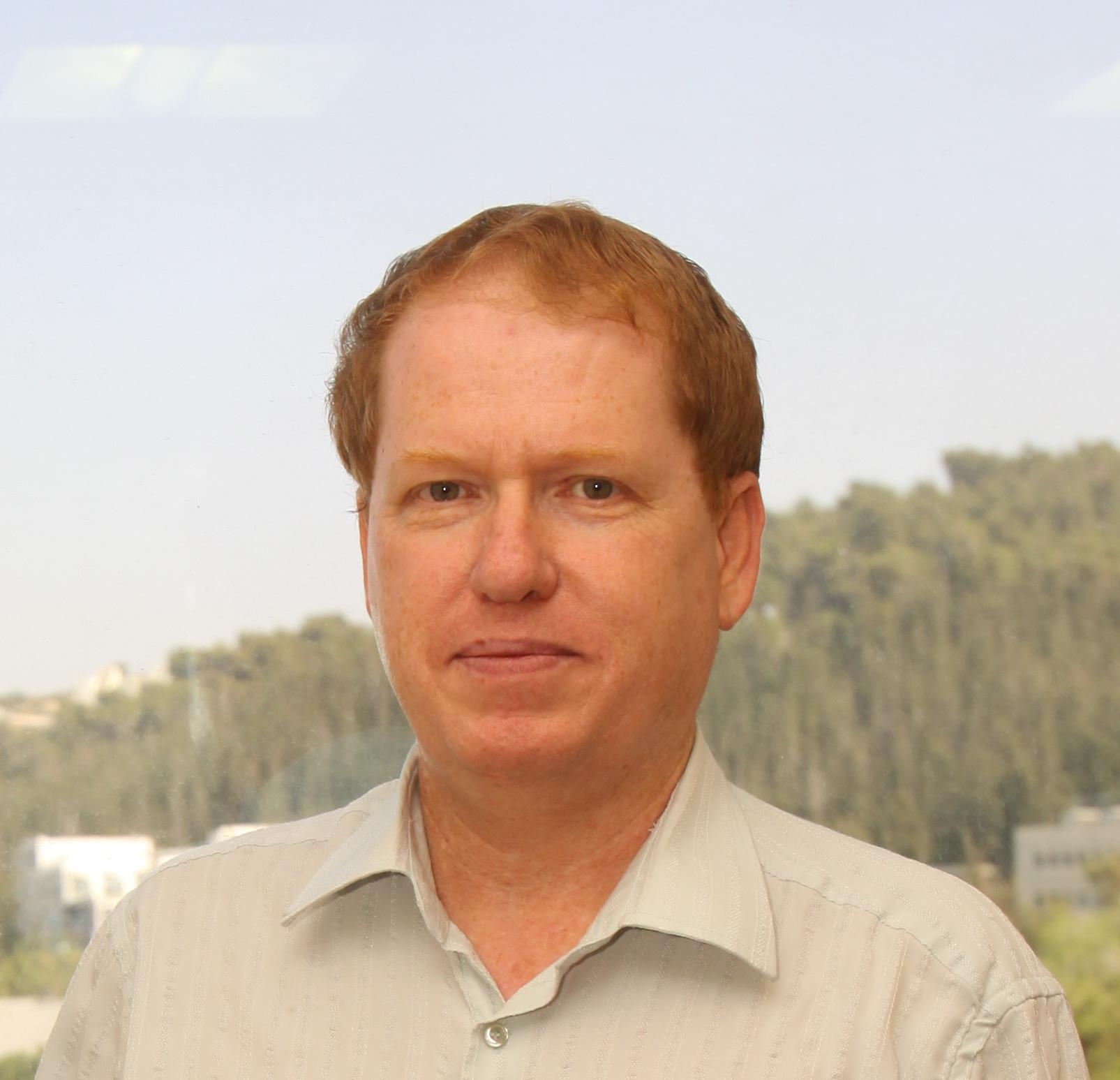
Eli Biham is the founding head of the Technion Hiroshi Fujiwara cyber security research center. Previously, Dean of the Faculty of Computer Science at the Technion-Israel Institute of Technology. Educated at Tel Aviv University and the Weizmann Institute of Science, he has authored numerous professional papers and lectured at many professional conferences, has edited the "Journal of Cryptology," served as a director in the International Association for Cryptologic Research (IACR), and has served on numerous professional committees including Israel national cyber initiative and standardization committees. Since 2012 he is an IACR fellow. He received the RSA award 2012, and holds the position of IACR distinguished lecturer 2013.
 830x800,
 1605x1547,
 812x1124